
Menopause Hair Loss: Why Your Hair Changes After 45 (And What Can Actually Help)
By TrichologyScotland
Published 01 August 2026
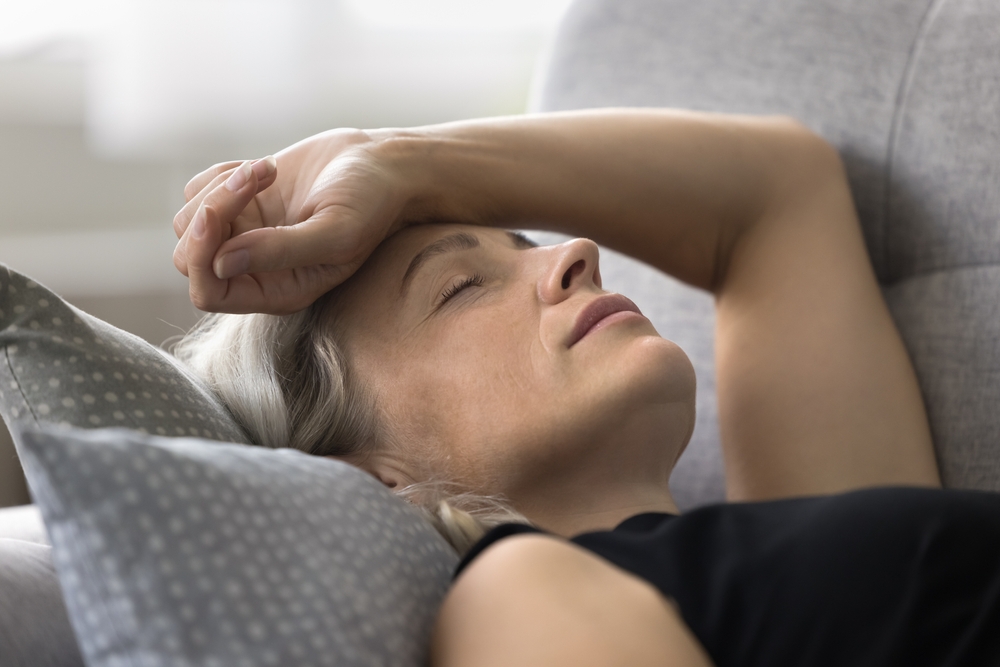
For many women, the first signs are surprisingly subtle.
Your ponytail doesn’t feel quite as thick. Your hair takes longer to style. You begin avoiding bright changing-room lights because your scalp seems more visible than it used to.
Perhaps your hairdresser mentions that your hair feels finer. Or maybe you’ve simply looked in the mirror one morning and thought: “My hair just isn’t what it used to be.”
If this sounds familiar, you’re certainly not alone. Hair changes during perimenopause and menopause are incredibly common, yet many women tell us they weren’t expecting them. Some worry they’re becoming unwell. Others are told it’s simply “part of getting older” and that nothing can be done.
The truth lies somewhere in between. While hormonal changes can influence hair growth, understanding why your hair is changing is the first step towards finding the right approach.
Does menopause actually cause hair loss?
The short answer is yes — but probably not in the way many people imagine. Menopause doesn’t usually make hair suddenly fall out overnight. Instead, many women notice gradual changes over several years.
Your hair may become:
- Finer than it used to be
- Less dense
- Harder to grow long
- Slower to recover after shedding
- More fragile
- Less full around the parting or crown
For some women, increased shedding also occurs, particularly during perimenopause when hormone levels can fluctuate significantly. These changes can affect confidence just as much as the physical appearance of the hair itself.
Why does it happen?
Hair follicles are remarkably sensitive to hormones. Throughout much of adult life, oestrogen helps support the length of the hair growth cycle. As oestrogen levels gradually decline during perimenopause and menopause, hairs may spend less time actively growing before entering their resting phase.
At the same time, the influence of naturally occurring androgens becomes relatively greater. In women who are genetically predisposed, this can gradually lead to hair follicles becoming smaller over time — a process known as follicle miniaturisation, which forms the basis of female pattern hair loss.
Not every woman experiences this, but it becomes increasingly common with age.
It isn’t always “just hormones”
One of the biggest misconceptions we see in clinic is the assumption that every menopausal woman with thinning hair simply needs hormone treatment. While hormones are certainly part of the picture, they are rarely the whole story.
Around the time of menopause, several other factors may also influence hair quality, including:
- Low iron stores
- Vitamin B12 deficiency
- Vitamin D insufficiency
- Thyroid changes
- Reduced protein intake
- Weight loss
- Chronic stress
- Poor sleep
- Certain medications
- Underlying female pattern hair loss
Often, several of these factors occur together — which is why two women of exactly the same age can experience completely different changes in their hair. If you’re unsure whether what you’re experiencing is shedding or thinning, our guide to why hair falls out explains the difference in more detail.
Is it normal for my hair to become thinner after 50?
Some gradual reduction in hair density can be considered part of the ageing process. However, significant or rapidly progressing thinning should never simply be accepted without understanding why it is happening.
Many women are relieved to discover there are identifiable factors contributing to their hair changes that can be investigated and, in some cases, improved. Understanding the reason behind the change is far more useful than assuming nothing can be done.
Will HRT stop my hair thinning?
This is one of the questions we are asked most frequently. Hormone Replacement Therapy can be extremely beneficial for many menopausal symptoms and may indirectly support hair health in some women. However, it is important to have realistic expectations.
HRT is not designed as a hair-loss treatment, and many women continue to notice hair thinning despite taking it. Equally, some women who choose not to take HRT maintain excellent hair density throughout menopause. Hair health depends on far more than hormone levels alone.
Could my blood tests be contributing?
Blood tests often form an important part of investigating menopausal hair changes. Depending on your symptoms and medical history, it may be appropriate to assess factors such as iron stores, vitamin B12, folate, vitamin D, thyroid function and other nutritional markers.
The purpose is not simply to look for abnormalities — it is to build a clearer picture of whether there are additional factors making it harder for your hair follicles to produce healthy hair. For more on how specific deficiencies can affect the hair, our article on nutrition and hair loss covers several of the key markers in detail.
What treatments are available?
The right treatment depends entirely on the underlying diagnosis. For some women, improving nutrition, addressing deficiencies or allowing recovery after a period of illness may be all that is required. For others, female pattern hair loss may be the dominant issue, in which case medical therapies designed to help preserve and support hair follicles may be discussed.
No single treatment is suitable for everyone. Hair loss during menopause is rarely solved by one shampoo, one supplement or one product. The best results usually come from understanding the underlying causes and creating a treatment plan that reflects your individual circumstances. You can find out more about our approach on the treatments and services page.
The earlier changes are recognised, the better
One of the encouraging things about female pattern hair loss is that earlier intervention generally offers more opportunity to preserve existing hair. Many women wait several years before seeking advice because they assume thinning is inevitable — but by the time they attend clinic, the changes have often been progressing quietly for much longer than they realised.
Seeking advice early does not necessarily mean you need treatment immediately. It simply gives you a clearer understanding of what is happening and allows you to make informed decisions about your options.
How can a trichologist help?
A trichology consultation looks beyond the obvious. At Trichology Scotland, we assess not only the appearance of the hair itself, but also your medical history, family history, recent health, nutrition, medications, menopausal stage and scalp health. You can find out more about what trichology involves and what to expect from your first appointment on our consultation page.
Where appropriate, we may recommend blood investigations, detailed scalp examination using magnification and discussion of evidence-based treatment options appropriate to your diagnosis. The aim is not simply to explain why your hair has changed — it is to help you understand what may be influencing those changes and what realistic options are available moving forward.
A final thought
Many women tell us they feel guilty for being upset about their hair — “I know it’s only hair.” But hair is closely linked to confidence, identity and how we see ourselves. Feeling concerned about changes during menopause is completely understandable.
The reassuring news is that hair thinning after 45 is common, it has many possible causes, and it deserves proper assessment rather than assumptions. The sooner you understand why your hair is changing, the sooner you can make informed decisions about what to do next.
If you’re concerned about ongoing hair thinning, increased shedding or changes in hair quality during perimenopause or menopause, Trichology Scotland offers specialist hair and scalp consultations in Glasgow, Edinburgh, and via video consultation throughout the UK.
Share:
Related articles
Sorry, we couldn't find any posts. Please try a different search.