
Why Is My Hair Falling Out?
By TrichologyScotland
Published 21 July 2026
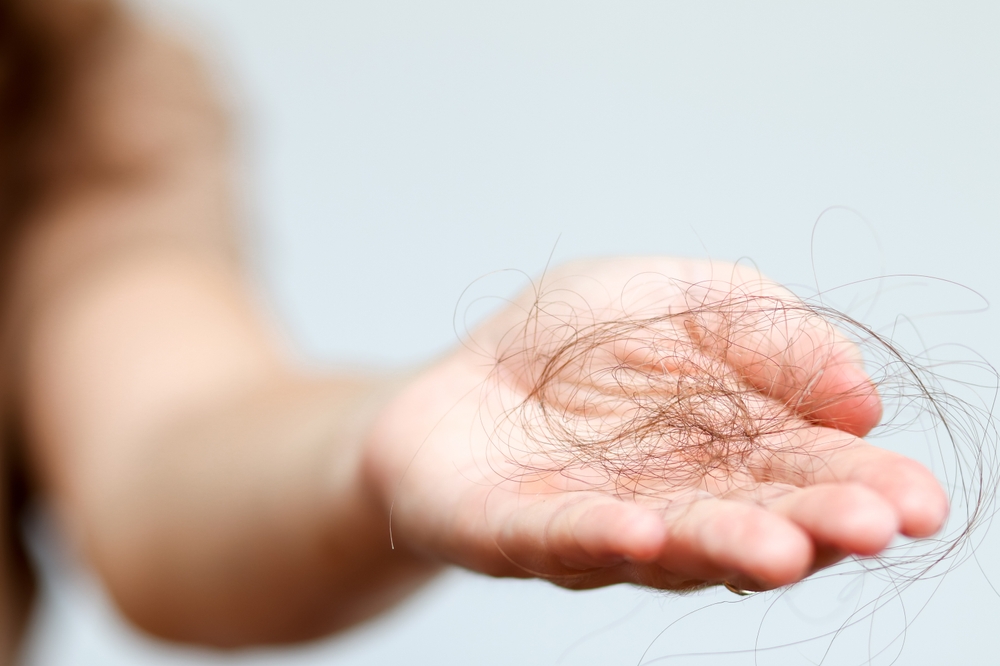
Why Is My Hair Falling Out?
Noticing more hair than usual in the shower, on your brush or around the house can be unsettling.
For some people, the change appears suddenly. For others, it begins with a slightly smaller ponytail, a wider parting or hair that no longer feels as full as it once did.
The difficulty is that hair can fall out for many different reasons. Stress is one possibility, but it is far from the only explanation. Changes in health, hormones, nutrition, medication and the natural hair-growth cycle can all play a part.
Understanding how your hair is falling out is often the first step towards understanding why.
Is some daily hair shedding normal?
Yes. Hair does not grow continuously. Each follicle moves through a natural cycle of growth, transition, rest and shedding — which means losing some hair every day is expected.
Although people often hear that losing 50 to 100 hairs a day is normal, counting individual hairs is rarely helpful. What matters more is whether there has been a noticeable change from what is normal for you.
You may become aware of:
- More hair coming away during washing
- Hair collecting on clothing, bedding or furniture
- A thinner-feeling ponytail
- Reduced volume when styling
- A wider or more visible parting
- Increased visibility of the scalp
- Shorter, finer hairs around areas that previously felt dense
These changes do not all point to the same diagnosis.
Hair shedding and hair thinning are not always the same thing
People understandably use the term “hair loss” to describe several different experiences.
Excessive shedding usually means that an increased number of full-length hairs are being released from across the scalp. This is often associated with a condition called telogen effluvium.
Progressive thinning may develop more gradually, where follicles begin producing finer, shorter hairs over time — as happens in male or female pattern hair loss.
It is also possible to experience both processes together. A period of increased shedding can make previously subtle pattern thinning much more noticeable. This is one reason why identifying the cause from photographs or a brief description can be difficult.
Common reasons why hair may suddenly fall out
Illness, fever or surgery
The hair cycle is sensitive to significant changes within the body. An illness, high temperature, infection, operation or period of physical recovery can cause more follicles than usual to move from their growing phase into their resting phase.
The resulting shedding does not normally begin immediately. It often becomes noticeable around two to three months after the triggering event — by which point the illness may feel like old news, so the connection is easily missed.
Emotional stress
Stress can contribute to increased hair shedding, particularly when it is intense or prolonged. Bereavement, relationship changes, work pressure, poor sleep and caring responsibilities can all affect the body.
However, it is important not to assume that every case of hair loss is “just stress”. Stress may be the main trigger, one of several contributing factors, or a consequence of the hair loss itself. A proper assessment should consider the wider clinical picture rather than using stress as a catch-all explanation.
Rapid weight loss or dietary change
Significant weight loss can place the body under physiological strain, particularly when it happens quickly. This may occur after restrictive dieting, bariatric surgery, illness or the use of weight-management medication such as Ozempic or Wegovy. If you are using a GLP-1 medication, you can read more about GLP-1 medications and hair loss.
Hair shedding following weight loss is often delayed, so it can appear after the weight has already stabilised. The solution is not simply to buy a general hair supplement — it is important to consider the speed of weight loss, current nutrition, relevant blood results and whether another form of hair loss is also present.
Iron and nutritional factors
Hair follicles are highly active structures and require a reliable supply of energy, protein and micronutrients. Low iron stores are frequently investigated when someone presents with diffuse hair shedding. Vitamin B12, folate, vitamin D, zinc and other nutritional markers may also be relevant depending on the individual’s symptoms, medical history and diet.
A result being inside a laboratory reference range does not automatically explain whether it is contributing to the problem. Blood tests need to be interpreted alongside the person’s hair-loss pattern and clinical history. Taking multiple supplements without testing or guidance is not always beneficial — excessive amounts of certain nutrients can also be unhelpful.
Thyroid changes
Both an underactive and overactive thyroid can affect the hair-growth cycle. Thyroid-related shedding is often diffuse, meaning it affects the scalp more generally rather than producing one isolated patch. Other symptoms may include changes in energy, weight, temperature tolerance, mood, heart rate or menstrual pattern.
Hair shedding alone does not confirm a thyroid condition, but thyroid function may be worth investigating where the history suggests it.
Hormonal changes
Hormonal transitions can change the way hair grows. Shedding is common after childbirth, while perimenopause and menopause may affect density, texture and the duration of the hair-growth cycle. Conditions involving androgen activity, including polycystic ovary syndrome, can also contribute to progressive thinning in some women.
Hormonal hair changes are not always caused by a single hormone being “too high” or “too low”. Genetics, follicle sensitivity, age, nutrition and general health may all influence what is happening.
Medications
Some medicines can contribute to hair shedding or alter the hair-growth cycle. The timing matters — hair changes may begin several weeks or months after starting a medication, changing the dose or stopping treatment.
Never discontinue prescribed medication because of suspected hair loss without speaking to the clinician responsible for your care.
Male or female pattern hair loss
Pattern hair loss usually develops gradually, although people may only notice it after a period of increased shedding. Women may see a widening parting, greater scalp visibility or a reduction in ponytail thickness. Men may notice recession around the temples, thinning through the crown or reduced density across the top of the scalp.
Pattern hair loss is influenced by genetics and the sensitivity of individual hair follicles. Early identification can be helpful because treatment aims to protect and support follicles before further miniaturisation occurs.
Alopecia areata and patchy hair loss
Smooth, clearly defined patches of hair loss may indicate alopecia areata, an autoimmune form of hair loss. Patchy loss can also have other causes, including fungal infection, traction, hair-pulling disorders and some inflammatory scalp conditions.
Any sudden patch, rapidly enlarging area or loss involving the eyebrows or eyelashes should be professionally assessed.
Scalp inflammation and scarring hair loss
Hair loss accompanied by redness, scaling, burning, pain, pustules or significant itching deserves particular attention. Some inflammatory scalp conditions can damage the follicle if left untreated. Early diagnosis is especially important where scarring hair loss is suspected, because lost follicles may not be recoverable.
Why the trigger may have happened months earlier
One of the most confusing things about hair shedding is the delay between cause and effect. When the body experiences a significant trigger, affected follicles do not usually release their hairs immediately — they move into a resting stage before the hairs eventually shed.
This delay means that the most useful question may not be “What changed this week?” — it may be “What was happening two or three months before the shedding began?”
A detailed timeline can reveal illness, surgery, medication changes, weight loss, emotional stress, childbirth or another event that initially seemed unrelated. You can read more about how telogen effluvium develops and what recovery looks like.
Will the hair grow back?
That depends on the cause. Acute telogen effluvium is often temporary, particularly once the underlying trigger has resolved. New hair can continue growing even while older resting hairs are shedding.
However, recovery is not immediate. Hair grows slowly, and rebuilding visible density takes time. Persistent shedding, progressive miniaturisation, inflammatory disease and scarring forms of hair loss require a different approach — reassurance alone is not appropriate until the type of hair loss has been identified.
When should you seek professional advice?
Consider arranging an assessment when:
- The shedding has continued for several months
- The amount of hair falling out is increasing
- Your parting is becoming wider
- Your ponytail feels noticeably thinner
- You have developed one or more bald patches
- Your scalp is painful, inflamed, burning or heavily scaling
- You are losing eyebrow or eyelash hair
- Hair loss is affecting your confidence or wellbeing
- You are unsure whether the problem is shedding, breakage or progressive thinning
You do not need to wait until the hair loss becomes severe before asking for help.
How a trichology consultation can help
A trichology consultation should involve more than simply looking at the hair. At Trichology Scotland, we consider the pattern and timescale of the hair loss alongside your health, nutrition, medication, family history, hormonal changes, recent stressors and previous treatments.
Where appropriate, assessment may include magnified scalp and hair examination, discussion of relevant blood tests and consideration of whether medical investigation is needed. To find out what to expect, visit our consultation page.
The aim is not to recommend the same product to everyone. It is to understand the most likely cause, explain what may be contributing and create a realistic plan based on your individual findings. You can find out more about what trichology involves and the range of treatments we offer.
The important first step
When hair starts falling out, it is tempting to change shampoo, begin several supplements or try the first treatment recommended online. But hair shedding is a symptom, not a diagnosis.
The most useful first step is to establish whether you are experiencing temporary shedding, progressive pattern thinning, breakage, inflammation or another form of hair loss. Once the cause is better understood, the next steps become much clearer.
Trichology Scotland offers hair and scalp consultations in Glasgow and Edinburgh, with video consultations also available for clients who cannot attend a clinic in person.
Share:
Related articles
Sorry, we couldn't find any posts. Please try a different search.