
Male and Female Pattern Hair Loss: Understanding Androgenetic Alopecia
By TrichologyScotland
Published 04 June 2026
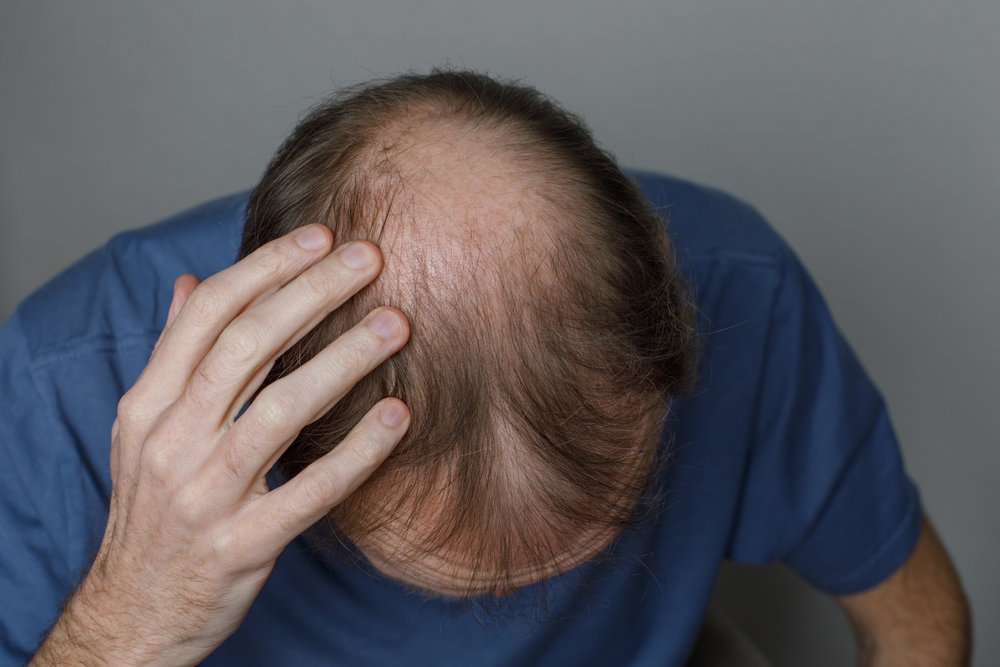
Male and female pattern hair loss, also known as androgenetic alopecia or AGA, is the most common form of progressive hair thinning in both men and women. At Trichology Scotland, we see clients with pattern thinning every week in our Glasgow and Edinburgh clinics, as well as by video consultation from across Scotland.
Although AGA is common, it can feel deeply personal. Many clients notice a widening parting, reduced density through the crown, a receding hairline, thinner temples, or a ponytail that feels smaller than it used to. For men, the pattern often begins with recession at the hairline or thinning at the crown. For women, it more commonly presents as diffuse thinning across the top of the scalp while the front hairline is often preserved.
What Causes Androgenetic Alopecia?
Androgenetic alopecia is mainly caused by a combination of genetics, hormone sensitivity, and changes within the hair follicle. The key hormone involved is dihydrotestosterone, commonly known as DHT. In genetically sensitive follicles, DHT gradually shortens the active growth phase of the hair cycle and causes follicles to miniaturise.
Miniaturisation means that strong terminal hairs become finer, shorter, and weaker over time. The follicle may still be alive, but it produces a smaller-quality hair. This is why early treatment is so important. The aim is not only to encourage new growth, but to protect the follicles that are still functioning.
AGA is not simply “hair falling out”. It is a gradual change in hair quality, density, and follicle behaviour. If you are unsure whether what you are experiencing is pattern hair loss or another condition such as telogen effluvium, a professional assessment can help clarify the diagnosis.
Is Pattern Hair Loss Permanent?
Androgenetic alopecia is a long-term condition, but that does not mean nothing can be done. The prognosis is much better when treatment starts early — when follicles are still active and before significant miniaturisation has progressed too far.
With the right treatment plan, many clients can slow progression, stabilise shedding, improve density, and achieve a visibly stronger hair pattern over time. However, AGA usually requires ongoing management. It is best thought of as a condition we control and optimise rather than something we cure once and never revisit.
This is why regular review is important. At Trichology Scotland, we commonly assess progress in person or by video consultation at six-month review points, allowing the plan to be adjusted carefully and safely.
Why One Treatment Is Often Not Enough
Hair growth is influenced by several overlapping factors: follicle sensitivity, hormone activity, blood supply, inflammation, nutrition, scalp health, and consistency of treatment. For this reason, one treatment alone is often less effective than a layered approach.
A strong AGA plan may include:
- Medicated treatment to target the follicle directly
- Nutritional support to ensure the body has the raw materials for growth
- Supplemental support where deficiencies or increased needs are identified
- Scalp care to maintain a healthy growth environment
- Low level laser therapy to support follicle activity at home
- Regular clinical review to measure progress and adjust treatment
This layered approach is often where we see the most successful and prolonged positive outcomes. You can read more about the full range of diagnostic and treatment tools available at our hair loss services page.
Medicated Treatment Pathways for AGA
Modern treatment options for androgenetic alopecia have advanced significantly. Depending on suitability, history, sex, age, medical background, and risk profile, treatment may include topical or oral medicated pathways.
Topical minoxidil remains one of the best-known treatments for male and female pattern thinning. It helps support the growth phase and can improve hair density in suitable clients. Some people respond very well, while others respond less strongly — which is one reason personalised assessment is so valuable.
In men, treatments that reduce the effect of DHT, such as finasteride or dutasteride pathways, may be considered where appropriate. These aim to reduce the hormonal signal that contributes to follicle miniaturisation. Topical anti-androgen approaches may also be considered in selected cases.
In women, treatment must be more carefully tailored, particularly around age, hormonal status, pregnancy considerations, menopause, medical history, and blood results. Options may include topical treatment, oral minoxidil in appropriate cases, or anti-androgen support under suitable clinical supervision.
The most important point is that treatment should be individualised. What works well for one person may not be the best pathway for another. Our detailed consultation process ensures every plan is built around you.
The Role of Genetic Testing in Hair Loss Treatment
At Trichology Scotland, we often recommend genetic testing for androgenetic alopecia because it can help guide a more personalised treatment plan.
Genetic testing may provide insight into how someone is likely to respond to certain treatment categories, including:
- Minoxidil pathways
- Androgen-related pathways
- Inflammation and collagen support
- Vitamin and mineral metabolism
- Other follicle-related mechanisms
This does not replace clinical judgement, scalp examination, or medical review, but it can be a valuable tool. It helps us avoid guesswork and build a treatment plan that is more aligned with the individual client. For clients who have tried hair loss treatments before with limited success, genetic testing can be especially helpful — it may explain why certain approaches have underperformed and help us choose a more targeted route.
Nutrition and Supplements in Androgenetic Alopecia
Nutrition does not usually cause androgenetic alopecia by itself, but poor nutritional status can make pattern thinning look worse and reduce the quality of regrowth. Hair is a high-demand tissue. It requires adequate protein, iron, vitamin D, zinc, B vitamins, essential fatty acids, and overall energy intake.
If a client has low ferritin, low vitamin D, poor protein intake, thyroid imbalance, restrictive dieting, or chronic stress, their hair may struggle to respond fully even when the medicated pathway is correct. Our blood testing and analysis service can identify these factors precisely, allowing us to address them alongside medicated treatment.
For many clients, the best results come when both nutrition and medication are addressed together. It is also worth noting that systemic factors such as those explored in our article on GLP-1 medications and hair loss can compound pattern thinning — something we see increasingly in clinic.
An Example of a Layered 12-Month Treatment Plan
Every plan is personalised, but a structured approach to androgenetic alopecia may look like this:
First 12 Months: Stabilise and Rebuild
During the first year, the aim is usually to slow progression, reduce shedding, improve follicle activity, and create visible density improvement. This may include:
- A personalised medicated treatment pathway
- Nutritional optimisation through diet
- Targeted supplements where appropriate
- Blood testing if nutritional, thyroid, or hormonal factors are suspected
- Scalp health support
- Progress photography and review
This first phase is often the most important because it gives the follicles the strongest possible support at the earliest opportunity.
Next 12 Months: Maintain and Optimise
Once the condition is more stable and results have improved, the plan may be adjusted. In some cases, medication can be reduced to around 50% of the original dose while maintaining nutritional and supplemental support. Low level laser therapy may then be added at home to support ongoing follicle stimulation and help maintain results.
This approach is not about stopping treatment suddenly. It is about moving from an intensive improvement phase into a more sustainable maintenance phase.
Low Level Laser Therapy for Pattern Hair Loss
Low level laser therapy, often called LLLT, is a non-invasive treatment that uses specific light wavelengths to support follicle activity. It is commonly used through home devices such as laser caps or helmets.
LLLT may help improve hair count, hair thickness, and follicle function in suitable cases. It is not usually the first choice as a standalone treatment for active AGA, but it can be a very useful addition within a layered plan — particularly during maintenance. As with most hair loss treatments, results depend on regular use over time.
Remote Hair Loss Treatment Across Scotland
Not every client needs to attend clinic frequently. Many aspects of androgenetic alopecia management can be supported remotely. At Trichology Scotland, we see clients in our Glasgow and Edinburgh clinics, but we also support clients across Scotland by video consultation.
This is particularly helpful for clients travelling from areas such as Stirling, Dundee, Aberdeen, Inverness, Ayrshire, Fife, the Highlands, and the Borders. Initial assessment may be carried out in person or by video depending on the case, with follow-up reviews commonly arranged at six-month intervals.
When Should You See a Trichologist for Hair Loss?
You should consider seeing a trichologist if you notice any of the following:
- Gradual thinning through the crown
- A widening parting
- A receding hairline
- Thinner temples
- Reduced ponytail density
- Increased scalp visibility
- A family history of pattern hair loss
- Shedding that does not settle
- Previous treatments that have not worked
Early intervention is important. The earlier we identify the pattern, the more opportunity we have to protect existing follicles and improve long-term outcomes.
Summary: Managing Male and Female Pattern Hair Loss
- Androgenetic alopecia is driven by DHT sensitivity and genetics, causing progressive follicle miniaturisation
- Early treatment significantly improves outcomes — acting quickly protects follicles that are still functioning
- A layered approach combining medication, nutrition, scalp care, and regular review produces the best results
- Genetic testing can help personalise treatment and explain why previous approaches may not have worked
- Remote consultations make specialist support accessible across Scotland
Male and female pattern hair loss can be worrying, but it is also one of the areas where a structured, evidence-informed treatment plan can make a significant difference. If you are noticing changes in your hair density, the best first step is a professional trichology assessment. Contact Trichology Scotland today to book your consultation in Glasgow, Edinburgh, or online.
Share:
Related articles
Sorry, we couldn't find any posts. Please try a different search.