
GLP-1 Medications and Hair Loss: What You Need to Know in Glasgow & Scotland
By TrichologyScotland
Published 13 April 2026
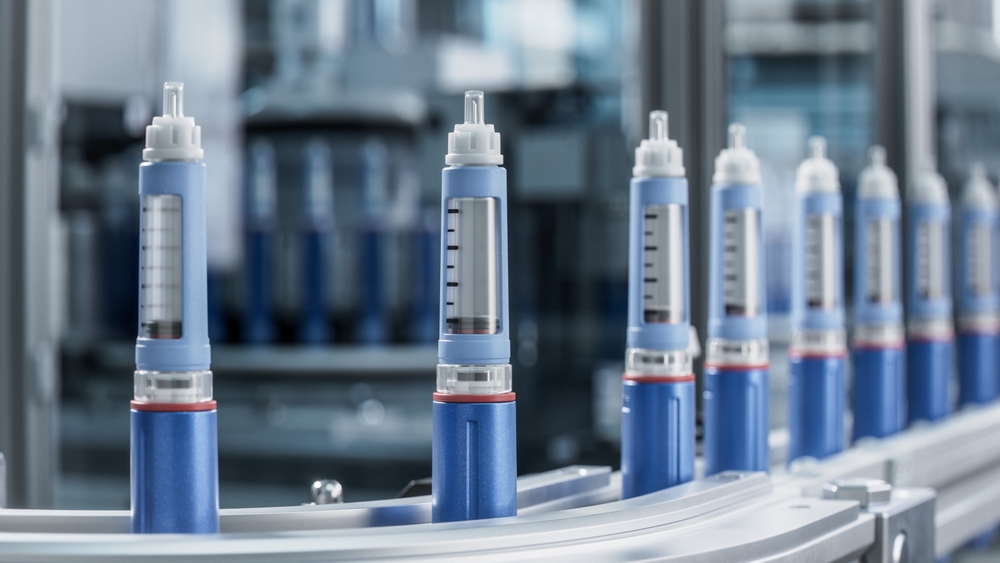
GLP-1 medications such as Ozempic, Wegovy, and Saxenda are becoming increasingly popular across Glasgow and Scotland for weight loss and metabolic health.
However, at Trichology Scotland, we are seeing a growing number of clients experiencing hair loss, hair thinning, and excessive shedding after starting these medications.
If you’re noticing hair falling out, thinning hair, or scalp changes after beginning a GLP-1 medication or weight loss programme, this guide explains why it happens — and how to protect your hair.
In This Article
- Why GLP-1 medications can cause hair loss
- How rapid weight loss affects hair growth
- Nutritional deficiencies linked to hair thinning
- Best nutrients for healthy hair growth
- How to prevent hair loss on GLP-1 medications
- When to see a trichologist in Glasgow
Why GLP-1 Medications Can Trigger Hair Loss
GLP-1 medications reduce appetite and slow digestion, which often leads to lower calorie intake and reduced nutrient absorption.
This can result in:
- Diffuse hair thinning
- Telogen effluvium (temporary but significant hair shedding)
- Nutritional hair loss, particularly common in women
When your body isn’t receiving enough nutrients, it prioritises essential functions over hair growth — causing follicles to enter the shedding phase earlier than normal.
What GLP-1 Medications Do in the Body
GLP-1 medications work by mimicking a natural hormone that regulates appetite and blood sugar. They help to reduce hunger, increase feelings of fullness, slow digestion, and promote weight loss.
While effective for weight management, these changes can disrupt the hair growth cycle — particularly when nutrition is inadequate to sustain normal follicle activity.
The Link Between Rapid Weight Loss and Hair Loss
Rapid weight loss is one of the most common triggers of telogen effluvium, a condition we frequently diagnose in clients across Glasgow and Scotland.
Common triggers include Ozempic, Wegovy, and Saxenda, alongside crash dieting, hormonal changes, and physical stress on the body. This type of shedding typically becomes noticeable 2–3 months after weight loss begins, as affected follicles complete their cycle.
Key Nutrients for Hair Growth on GLP-1
If you’re taking GLP-1 medications, maintaining proper nutrition is essential for preventing hair thinning. Here are the nutrients most critical to hair health:
Protein — Essential for Hair Strength
Hair is primarily made of keratin, a protein. Low protein intake can lead to weak, brittle, and thinning hair.
Iron — A Leading Cause of Hair Loss in Women
Iron deficiency is one of the most common causes of hair loss in the UK. Symptoms include increased shedding, fatigue, and progressive thinning — all of which can be compounded by the reduced appetite that comes with GLP-1 use.
Zinc — Supports Hair Repair
Zinc plays an important role in maintaining healthy hair follicles and scalp condition. It is often depleted during periods of calorie restriction.
B Vitamins — Support Hair Growth
B vitamins contribute to hair thickness, scalp health, and overall energy levels.
Vitamin D — Particularly Important in Scotland
Low vitamin D is extremely common across Glasgow and Scotland, especially during winter. It is strongly linked to hair thinning and poor regrowth, and is worth monitoring if you’re on a GLP-1 medication.
How to Prevent Hair Loss While Taking GLP-1
If you’re using GLP-1 medications, here are the key steps to support your hair alongside your weight loss:
- Prioritise adequate protein intake at every meal
- Maintain a balanced, nutrient-dense diet even as portions reduce
- Take a high-quality multivitamin, ideally one formulated for hair health
- Stay well hydrated
- Manage stress levels where possible
- Avoid excessive heat styling and use gentle, scalp-friendly hair care products
When to See a Trichologist in Glasgow
If you are experiencing excessive shedding, noticeable thinning, hair loss following Ozempic or Wegovy, or scalp irritation, it’s important to seek expert advice sooner rather than later. Early intervention makes a significant difference to recovery time.
At Trichology Scotland, we specialise in female hair loss, telogen effluvium, nutritional hair loss, hormonal hair thinning, and scalp disorders.
Book a consultation at our Glasgow or Edinburgh clinic to get a personalised, evidence-based treatment plan.
What Does a Trichologist Do?
Unsure what to expect from a trichology consultation? Learn more about trichology and how our specialists diagnose the root cause of hair loss — whether it’s nutritional, hormonal, stress-related, or medication-triggered.
Hair Loss Support Across Glasgow & Scotland
We support clients across Glasgow, Edinburgh, Stirling, Dundee, and Central Scotland. Whether you’re searching for specialist help for hair loss anywhere in Scotland, we provide thorough consultations both in-person and online.
Contact us today to arrange your appointment or ask any questions about GLP-1-related hair loss.
Our Services & Treatment Options
Explore our hair loss treatments to find the right solution for your specific type of hair loss. From nutritional support to targeted treatments, we offer evidence-based approaches tailored to your needs.
Key Takeaways: GLP-1 and Hair Loss
- GLP-1 medications can contribute to hair loss through reduced nutrition and rapid weight loss
- Telogen effluvium is the most common form of shedding seen in these cases
- Nutrients including protein, iron, and vitamins are essential for maintaining hair health
- Hair loss is often temporary — but it responds best to early, targeted support
- Seeing a trichologist early improves recovery outcomes significantly
FAQ: GLP-1 and Hair Loss
Does Ozempic cause hair loss?
Hair loss is typically caused by rapid weight loss and associated nutrient deficiencies rather than the medication itself. Our trichologists can identify the root cause during a consultation and create a personalised treatment plan.
Is GLP-1 hair loss permanent?
No — the majority of cases are temporary and recover well with proper nutritional support and, where needed, a guided treatment plan.
How long does hair shedding last?
Typically 3–6 months, depending on the individual’s nutritional status and overall health. With the right intervention, recovery can be faster.
Can a trichologist help?
Yes — a trichologist can diagnose the underlying cause of your shedding and create a personalised plan. Book a consultation to find out where to start.
Final Thoughts
GLP-1 medications are powerful tools for weight loss — but without adequate nutritional support, they can impact hair growth, scalp health, and hair density.
If you’re experiencing hair loss in Glasgow or anywhere in Scotland, early intervention is key. At Trichology Scotland, we help you restore healthy hair growth, improve scalp condition, and regain confidence.
Concerned about hair loss after Ozempic, Wegovy, or weight loss? Book your consultation today.
Related Resources
- Services & Hair Loss Treatments
- What is Trichology?
- About Trichology Scotland
- Client Testimonials
- Frequently Asked Questions
Share:
Related articles
Sorry, we couldn't find any posts. Please try a different search.